
electric car charging stations are becoming an essential part of modern transportation infrastructure as the global shift toward electric mobility accelerates. These stations provide the electrical energy required to recharge electric vehicle batteries allowing eV owners to travel longer distances while reducing dependence on fossil fuels. charging stations can be installed in homes workplaces shopping centers parking garages highways and public areas ensuring accessibility and convenience for users. With the rising adoption of electric vehicles governments and private companies are heavily investing in expanding charging networks to support future demand. Modern charging stations are designed with smart technology integration enabling features such as mobile app connectivity digital payment systems remote monitoring and energy management to optimize power distribution and improve user experience.
There are different types of electric vehicle charging stations based on charging speed and power delivery. Level 1 charging uses standard household electrical outlets and is considered the slowest method typically adding a small range per hour of charging. It is mainly suitable for overnight home charging and users with short daily driving distances. Level 2 charging operates at higher voltage and is commonly installed in residential complexes offices and public parking areas offering significantly faster charging times. Dc fast charging also known as Level 3 charging is the fastest option available and is usually located along highways and hightraffic commercial areas. These chargers can recharge a vehicle battery up to 80% in a short period making them ideal for longdistance travel and commercial fleet operations.
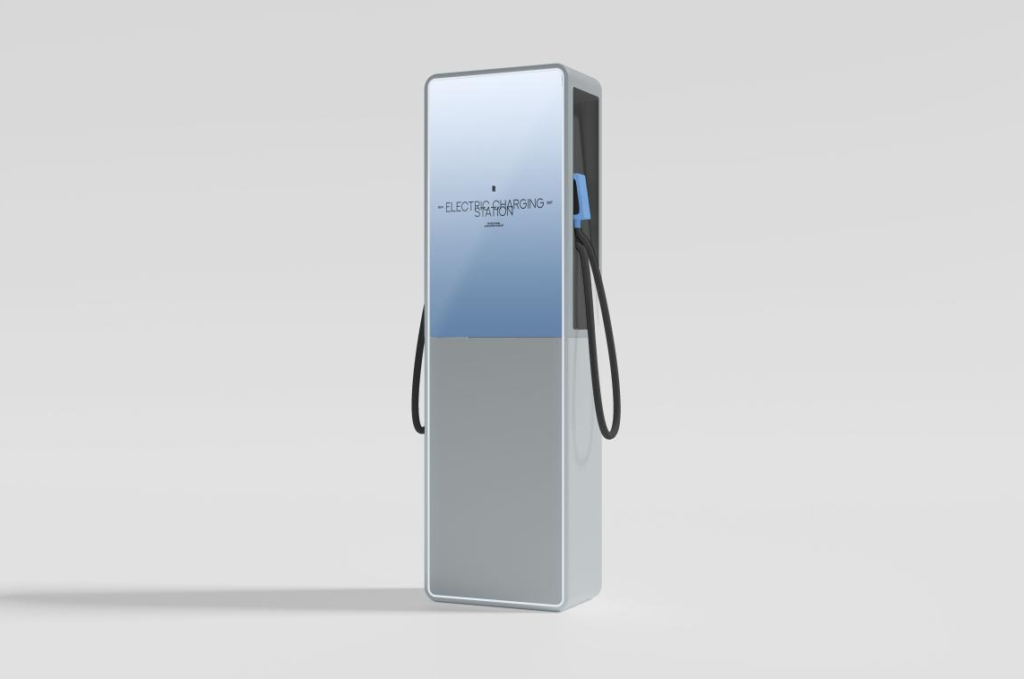
electric car charging stations consist of several critical components that ensure safe and efficient power transfer. The power supply unit converts electricity from the grid into the required form for vehicle charging. charging cables and connectors are designed to deliver power safely while supporting different vehicle standards. The control system manages charging speed monitors safety parameters such as temperature and voltage and communicates with the vehicle. Many modern stations also include user interfaces such as touchscreens or mobile app controls that allow drivers to monitor charging progress make payments and receive notifications. network connectivity enables realtime data tracking software updates and integration with smart grid systems improving overall energy efficiency.
The expansion of eV charging infrastructure provides multiple environmental and economic benefits. By supporting electric vehicle adoption charging stations help reduce greenhouse gas emissions and improve urban air quality. They also contribute to lower vehicle operating costs since electricity is generally cheaper than petrol or diesel. Additionally the growth of charging networks creates new job opportunities in manufacturing installation software development and maintenance. Integration with renewable energy sources such as solar and wind further enhances sustainability by reducing reliance on traditional power generation methods. As technology advances charging stations are becoming more energyefficient and capable of supporting twoway energy flow systems such as VehicletoGrid technology.
Despite the advantages there are still challenges associated with widespread charging station deployment. High installation costs especially for fastcharging stations can be a barrier for smaller businesses and rural regions. electrical grid upgrades may be required to support largescale charging networks. Standardization across different charging connectors and payment systems is still evolving which can create compatibility issues. Additionally charging time although improving is still longer compared to traditional fuel refueling which affects user convenience in some situations. Governments and industry leaders are working together to address these challenges through policy support technological innovation and infrastructure investment.
From a design and marketing perspective electric car charging station mockups are valuable digital resources used for product visualization and promotional content. A professional PSD mockup file allows designers to showcase branding interface designs or advertising concepts in a realistic environment. A typical highquality charging station mockup may include a PSD file format with a large file size around 38.1 MB highresolution dimensions such as 6000 × 4500 pixels and extended licensing for commercial use. These mockups are usually ready to use and easy to customize using software like Adobe Photoshop. They are widely used in presentations marketing campaigns product launches and client demonstrations helping businesses communicate their concepts effectively and professionally.